Common problems with wedding flowers in Hanwell solved
Posted on 02/10/2026
Wedding flowers can look effortless on the day. That, of course, is the trick. Behind the scenes there is timing, weather, transport, table sizes, colour matching, and one very determined bride asking whether the roses will still look fresh after the hairdresser runs late. If you are trying to get common problems with wedding flowers in Hanwell solved, you are in the right place.
This guide breaks down the issues couples most often run into, why they happen, and what actually works in real life. Not the glossy version. The practical version. You will find clear advice for Hanwell weddings, from bouquet shape and seasonal availability to delivery timing and venue setup. And if you are comparing options, we will also show where it makes sense to use a specialist range such as wedding flowers and collections or individual pieces like bridal bouquets and table arrangements.
Truth be told, most flower problems are avoidable with a bit of planning and the right florist conversation. Let's get into it.
- Why common wedding flower problems in Hanwell matter
- How solving wedding flower problems works
- Key benefits and practical advantages
- Who this is for and when it makes sense
- Step-by-step guidance
- Expert tips for better results
- Common mistakes to avoid
- Tools, resources and recommendations
- Law, compliance, standards, or best practice
- Options, methods, or comparison table
- Case study or real-world example
- Practical checklist
- Conclusion
- Frequently asked questions
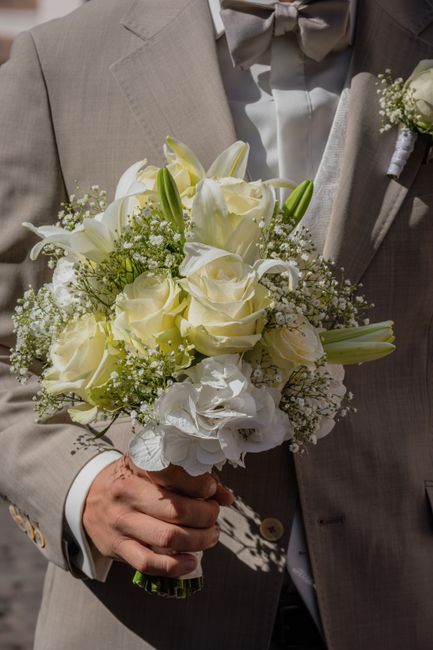
Why Common problems with wedding flowers in Hanwell solved Matters
Wedding flowers do more than decorate a room. They set the tone the moment guests walk in, they show up in photos all day, and they quietly carry a lot of emotional weight. A bouquet that is too bulky, a centrepiece that blocks conversation, or a delivery that arrives half an hour late can create stress at exactly the wrong moment. Nobody wants that kind of drama on a day that is already full enough.
In Hanwell, weddings often need to work around real-life logistics: local traffic patterns, venue access, church timings, and the simple fact that London weather can be a little cheeky. A warm morning can soften delicate petals by lunchtime. A delayed taxi can throw off a buttonhole handover. A narrow venue table can make a gorgeous arrangement feel awkward. Solving these issues is not about being fussy. It is about making the flowers support the day, not compete with it.
There is also the question of budget. Couples often want the look of a high-end floral style without wasting money on arrangements that are too large, too complicated, or simply unsuitable for the venue. Smart planning lets you spend where it matters. Sometimes that means choosing a simpler bouquet and investing more in the ceremony flowers. Sometimes it means reusing florals from the aisle on the reception tables. Small decisions, big difference.
When flowers work, people notice in a good way. They remember the ceremony, not the chaos. They see harmony, not panic. That is the real value here.
How Common problems with wedding flowers in Hanwell solved Works
The process is surprisingly straightforward when it is handled well. First, the florist learns the shape of the day: venue, timing, dress style, colour palette, season, and any sensitivities such as fragrance concerns or flower allergies. Then the design is matched to those needs rather than picked from a picture at random. A bouquet that looks stunning online can be completely wrong for a winter registry-style ceremony, for example. Gorgeous, yes. Practical? Not always.
Next comes the planning of flower type and format. Some flowers are more resilient than others. Roses, carnations, chrysanthemums, lilies, alstroemeria, and mixed wedding stems each behave differently once cut. Some open fast. Some hold shape better in warm rooms. Some need more careful handling in transport. That is why experienced florists tend to think in terms of structure, not just appearance.
Then there is the delivery and setup stage. Flowers for weddings are usually scheduled around the ceremony and venue access. If the bridal bouquet needs to arrive first, followed by buttonholes and then table pieces, that sequence has to be mapped out. A bit old-fashioned? Maybe. Also necessary. A late box of flowers is not a romantic surprise, it is a headache.
Finally, a proper solution includes contingency planning. What if the weather is hotter than expected? What if the reception room is smaller than planned? What if the ceremony starts earlier? A good plan bakes in enough flexibility to absorb minor changes without panic. That is the whole point.
Key Benefits and Practical Advantages
Getting wedding flowers right gives you more than a pretty setting. The practical benefits matter just as much, especially when the day gets moving fast.
- Less stress on the day: You know the flowers are timed, sized, and styled properly.
- Better photos: Balanced colours and well-shaped arrangements photograph beautifully from every angle.
- Improved guest comfort: Tables stay usable, pathways stay clear, and nobody is leaning around giant centrepieces.
- More value from your budget: You spend on flowers that have visible impact rather than unnecessary volume.
- Fewer last-minute fixes: Good planning reduces the chance of emergency substitutions or rushed changes.
- A design that fits the venue: A local Hanwell ceremony room, church, or reception space needs a different floral approach from a large hotel ballroom.
One often-overlooked advantage is emotional. When the flowers feel right, the whole day feels more coherent. A bouquet that matches the dress without fighting it, or a centrepiece that echoes the bridesmaid flowers, creates a calm visual thread. It sounds small. It is not small at all.
If you want a starting point, a curated wedding selection such as white-toned wedding designs or romantic wedding collections can be useful when you are narrowing down style direction. They help couples compare a finished look rather than starting from zero.
Who This Is For and When It Makes Sense
This guide is for anyone planning a wedding in Hanwell who wants flowers to feel elegant, realistic, and well managed. That includes couples getting married in a church, at a registry venue, in a hotel, or in a smaller local reception space. It also helps if you are working with a limited budget, because a good floral plan can stretch spending in a sensible way.
It makes particular sense if any of the following sound familiar:
- You are not sure which flowers will survive the day without drooping.
- Your venue has narrow tables, limited setup time, or tight access.
- You want the flowers to match a specific colour scheme without looking overdone.
- You need bridal bouquets, bridesmaid bouquets, buttonholes, and table flowers to feel coordinated.
- You are planning at short notice and need something reliable rather than overly complex.
This is also for anyone who has had the slightly stressful experience of browsing lovely pictures and then wondering, "Right, but will that actually work for my day?" Fair question. A beautiful design on paper is only half the job. The other half is execution.
If your priority is ceremony flowers, look at bridal bouquets and matching buttonholes. If the reception is the main focus, table styling may matter more than anything else.
Step-by-Step Guidance
Here is a practical way to solve the most common wedding flower problems without making the process feel overwhelming.
- Start with the venue, not the flowers. Measure the tables, note room size, and think about where guests will actually be sitting and standing.
- Set the priority areas. Decide whether the ceremony, bouquet, reception tables, or entrance display matters most.
- Choose a style that suits the setting. Loose and natural, compact and elegant, or a classic formal shape all work differently.
- Think seasonally. Seasonal flowers are often easier to source and more reliable on the day.
- Pick durable flowers where needed. For longer events or warm rooms, sturdier stems often behave better than fragile ones.
- Plan the colour palette carefully. Check how flowers look next to the dress, suits, table linen, and room lighting.
- Confirm delivery and setup timing. Make sure the flowers arrive when the venue is ready, not before.
- Agree the backup plan. A smart florist will discuss substitutions if a specific stem is unavailable.
A simple example: if you are having a late-afternoon ceremony followed by an evening meal, you may not need elaborate all-day blooms everywhere. You might choose a strong bridal bouquet, neat buttonholes, and a smaller number of impactful table arrangements. Less fuss, better result. Often.
For bridesmaids and groomsmen details, you can tie the look together with items such as bridesmaid bouquets and table arrangements. Matching does not mean identical. In fact, it usually works better when the pieces are coordinated rather than copy-pasted.
Expert Tips for Better Results
These are the small details that often make the biggest difference.
1. Use flowers that fit the pace of the day
If your day has a lot of movement, choose flowers with a bit of staying power. Roses and carnations can be very useful in this respect. Delicate blooms can still be included, but usually as accents rather than the whole structure.
2. Don't overfill the bouquet
A bouquet should feel balanced in the hand. If it is too wide or heavy, it becomes awkward very quickly, especially after the ceremony when everyone wants photos, hugs, and a glass of something cold. Nobody wants a wrist workout before the first dance.
3. Match flower size to table size
Large arrangements on small tables can make guests feel boxed in. Smaller, well-spaced arrangements often look more thoughtful and allow conversation to flow. It sounds obvious, but people still get it wrong.
4. Keep scent in mind
Strong fragrance can be lovely in moderation, yet too much of it in a warm room can feel overpowering. If anyone is sensitive to scent, keep this in the brief from the start.
5. Have one visual hero
Instead of trying to make every floral element loud, choose one hero piece. That might be the bouquet, the ceremony arrangement, or the top table display. The rest can support it.
A florist who knows weddings well will often suggest subtle improvements you may not have thought about. For example, shifting a bouquet from very round to slightly looser can make it photograph better under indoor lighting. Tiny thing. Big impact.
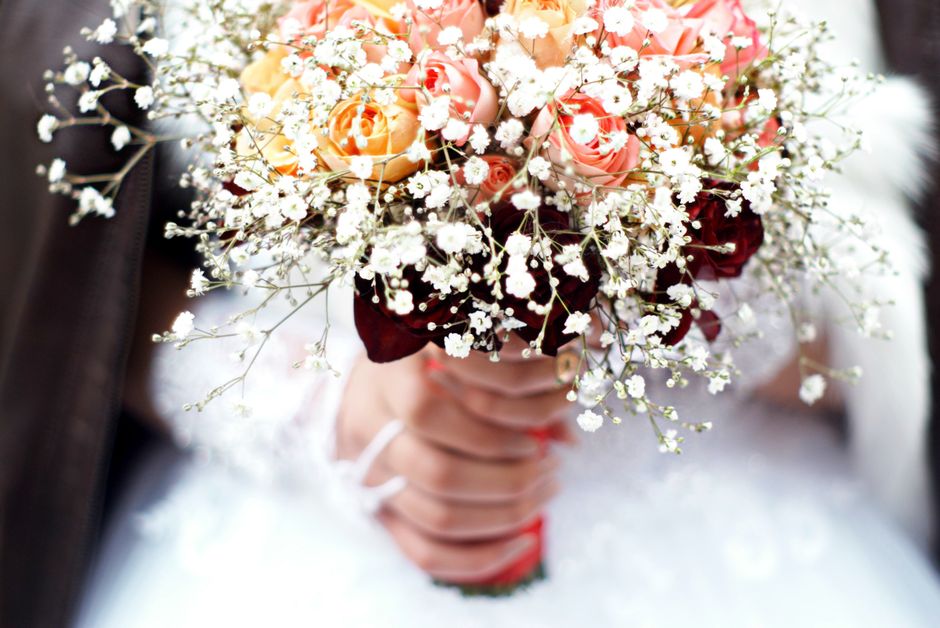
Common Mistakes to Avoid
Most wedding flower problems come from a handful of predictable mistakes. The good news is that they are easy to sidestep once you know what to look for.
- Booking too late: Popular dates go quickly, and late booking limits flower choice.
- Choosing flowers by image only: A picture does not show scent, stem strength, room fit, or seasonal reality.
- Ignoring venue scale: What looks elegant in a spacious room can look oversized on a small table.
- Forgetting about transport: Delicate flowers need careful handling, especially in warmer weather.
- Overcomplicating the colour scheme: Too many shades can make everything feel busy rather than coordinated.
- Skipping a contingency plan: If one stem is unavailable, a substitution plan keeps the design moving.
Another subtle mistake is not thinking about who will move the flowers after the ceremony. If arrangements need to go from the aisle to the reception, say that early. It saves both time and awkwardness. And yes, someone always says, "We can just do that later," which is famous last words in wedding planning.
If you are working to a tighter budget, keep things focused and explore flexible options like budget flowers or a general florist's choice arrangement, then reserve the premium detailing for the bouquet or top table. Sensible is beautiful too.
Tools, Resources and Recommendations
You do not need a box of specialist kit to plan good wedding flowers, but a few practical tools make everything smoother.
- Venue measurements: Table sizes, aisle width, and available setup space.
- Colour samples: Fabric swatches, dress photos, ribbon references, or a mood board.
- Timeline notes: Ceremony time, venue access, and any supplier delivery windows.
- Guest list outline: Useful for estimating buttonholes, bouquets, and table count.
- Flower preference list: Include must-haves, dislikes, and any strong fragrance concerns.
For buyers comparing product types, a few useful starting points are local wedding flower options, corsages for family members, and groom buttonholes for the wedding party. You may also find that browsing a wider floral range helps you compare texture and form before deciding on the final wedding set.
Practical tip: keep one shared document or message thread with the key details. It sounds basic, but it stops small changes from getting lost between the couple, the venue, and the florist. That alone can save a headache.
Law, Compliance, Standards, or Best Practice
Wedding flowers are not usually a heavily regulated service in the way some other industries are, but best practice still matters. Good florists in the UK should be clear about what is included, when delivery happens, how substitutions are handled, and what happens if plans change. That clarity protects both sides and keeps expectations realistic.
It is also sensible to check the florist's terms, delivery information, payment process, and any guarantees before confirming a booking. For example, details on terms and conditions, delivery, payment, and guarantees help you understand what to expect. That is not just admin. It is part of a calm, well-run wedding order.
If flowers are being delivered to a venue, good practice is to confirm access instructions, who will receive them, and any timing restrictions. Venues vary quite a lot, and some are stricter than people expect. Better to ask early than stand in a car park wondering where to put the bouquet box.
Environmental and ethical considerations may also matter to some couples. If so, look at the florist's approach to sustainability and business information on about us. Transparency builds trust, plain and simple.
Options, Methods, or Comparison Table
Different wedding flower approaches suit different budgets, venues, and levels of detail. Here is a practical comparison.
| Approach | Best for | Strengths | Trade-offs |
|---|---|---|---|
| Fully bespoke design | Couples wanting a unique look and detailed styling | Highly tailored, strong visual impact, good for matching a theme | Usually needs more planning and can cost more |
| Curated wedding collection | Couples who want a polished look without starting from scratch | Faster to choose, easier to coordinate, reliable styling | Less room for very specific custom changes |
| Floral essentials only | Smaller weddings or tighter budgets | Focused spend, less waste, simple to manage | Less overall decoration across the venue |
| Mixed approach | Most Hanwell weddings, honestly | Balanced cost, flexible, good for ceremony and reception | Requires a bit of thought so the style stays consistent |
If you are unsure which route fits best, a mixed approach is often the safest middle ground. For example, use a fuller bridal bouquet and ceremony flowers, then keep table arrangements more compact. That way the photos still feel luxurious without the whole order becoming unwieldy.
Case Study or Real-World Example
Here is a realistic example from the kind of planning many Hanwell couples end up doing. Imagine a late-spring wedding with a church ceremony and a small restaurant reception nearby. The couple wants soft romance, but they are also mindful of budget and space. The first version of the plan included large ceremony displays and tall table pieces. Lovely idea. Slight problem: the reception tables were compact, and the restaurant lighting was warm, which can make heavy floral arrangements feel crowded.
The solution was to simplify the reception flowers and put more focus into the bouquet, buttonholes, and the ceremony area. The floral palette stayed the same, but the arrangement sizes changed. The result was calmer, more elegant, and easier to manage. The couple could move flowers from one part of the day to another, which stretched the budget further without making anything feel cheap.
That is usually the pattern. Problems do not always need more flowers. Sometimes they need better allocation of the flowers you already want. A bridal bouquet from the bridal bouquet range paired with a few neat table pieces can be far more effective than a room full of oversized arrangements. Less effort, better balance. It happens more often than people expect.
Practical Checklist
Use this checklist before you confirm your wedding flowers in Hanwell.
- Have I confirmed the wedding date and venue access times?
- Do I know which areas need flowers most: ceremony, bridal party, reception, or all three?
- Have I chosen a colour palette that suits the venue and outfits?
- Are there any flower allergies, fragrance concerns, or specific dislikes?
- Do I know which arrangements need to be moved or reused during the day?
- Have I checked the delivery process and who will receive the flowers?
- Is there a backup plan for substitutions if a specific flower is unavailable?
- Have I reviewed the florist's terms, payment details, and guarantees?
- Do the table arrangements suit the actual table size and guest layout?
- Have I decided which pieces matter most if I need to adjust the budget?
If you can tick most of those boxes, you are in a strong place. If not, no panic. You are simply at the part where a calm, practical plan starts paying off.
Get a free quote today and see how much you can save.
Conclusion
Solving common wedding flower problems in Hanwell is really about three things: planning, fit, and timing. Get those right and the whole floral experience becomes much easier. You get flowers that suit the venue, photographs that feel polished, and a day that stays calm instead of turning into a scramble over table sizes and last-minute substitutions.
Whether you want a simple bouquet, a full wedding collection, or a mix of ceremony and reception pieces, the best results usually come from practical choices made early. That is the quiet secret. Beautiful flowers are wonderful, but beautiful flowers that actually work for the day are better.
And honestly, that is what most couples want in the end: a wedding that feels like them, with flowers that support the moment rather than steal the spotlight. A lovely bit of magic, but sensible magic.
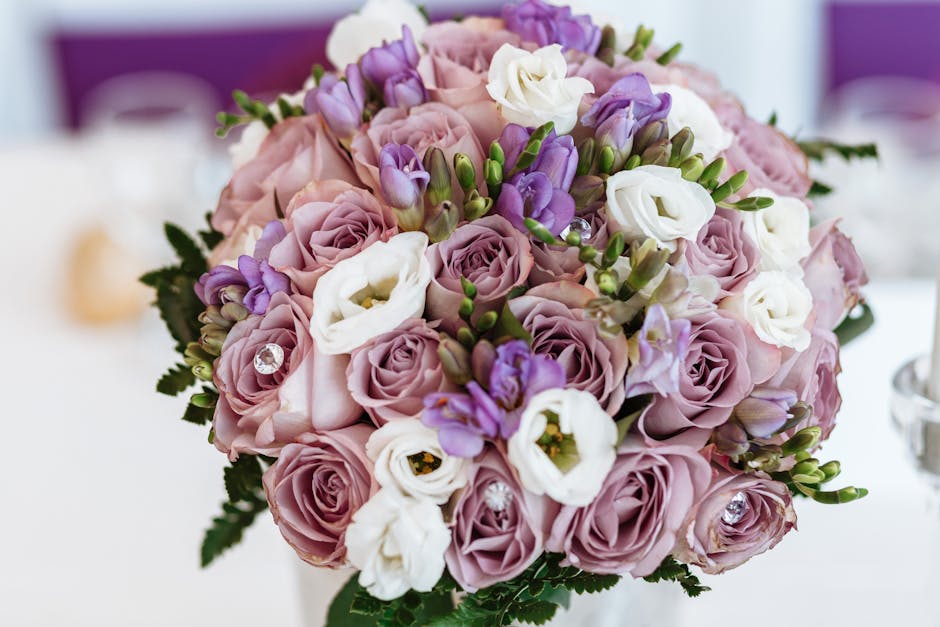
Frequently Asked Questions
What are the most common problems with wedding flowers in Hanwell?
The most common issues are late booking, flowers that do not suit the venue size, colour mismatches, delivery timing problems, and choosing delicate blooms without thinking about weather or transport.
How far in advance should I book wedding flowers?
As early as you can once the venue and date are fixed. Popular dates can fill quickly, and early booking gives you more choice with style, seasonal flowers, and delivery planning.
What flowers work best for a wedding in warmer weather?
Hardier flowers usually perform better in heat. Roses, carnations, chrysanthemums, and alstroemeria are often considered reliable choices, though the final choice depends on the style you want and the exact conditions.
Can I reuse ceremony flowers at the reception?
Yes, and it is often one of the smartest ways to get more value from your budget. Ask in advance which arrangements can be moved easily and who will handle the changeover.
How do I stop my bouquet from feeling too heavy?
Keep the design balanced and avoid overpacking it with flowers. A bouquet should look full without becoming awkward to hold for long periods. Shape matters as much as volume.
What if the florist cannot get my first-choice flowers?
A good florist should discuss suitable substitutions in advance. The key is to choose a style and colour direction that still works even if one flower type changes slightly.
Are wedding flower collections better than fully custom designs?
Neither is automatically better. Collections are useful when you want a polished, coordinated look with less decision fatigue. Custom designs suit couples who want something highly specific.
How do I choose wedding flowers that match my venue?
Start with the room size, table shapes, and lighting. Small venues usually need tighter, neater arrangements, while larger rooms can handle fuller designs. The venue should guide the scale.
Do I need buttonholes and corsages for a small wedding?
Not always, but they can be a nice finishing touch. For smaller weddings, a few carefully chosen pieces often look more thoughtful than trying to include every possible floral item.
What should I ask a florist before placing a wedding order?
Ask about delivery timing, substitutions, venue setup, payment, and what happens if your plans change. Also check what is included in the quote so there are no surprises later.
Can wedding flowers be planned on a tight budget?
Absolutely. A focused design, seasonal flowers, and a clear priority list can go a long way. You may need to choose fewer large arrangements and more compact pieces, but the result can still be beautiful.
What is the best way to avoid last-minute wedding flower stress?
Confirm the venue details early, keep one clear point of contact, and make sure delivery timing is pinned down. Most stress comes from unclear details, not from the flowers themselves.


